
WET PLATE COLLODION
An age old process...

Glass, silver salts and light...
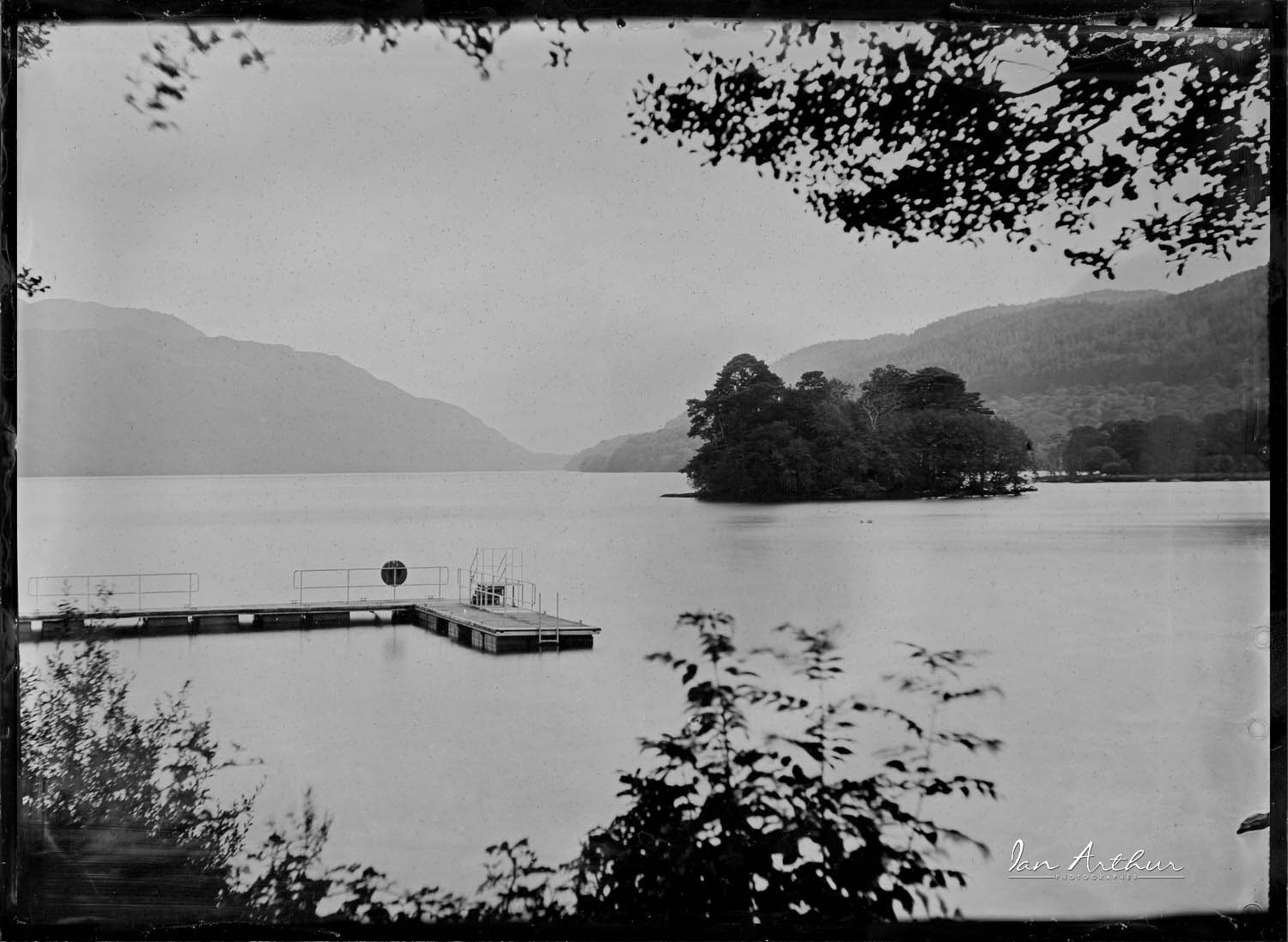
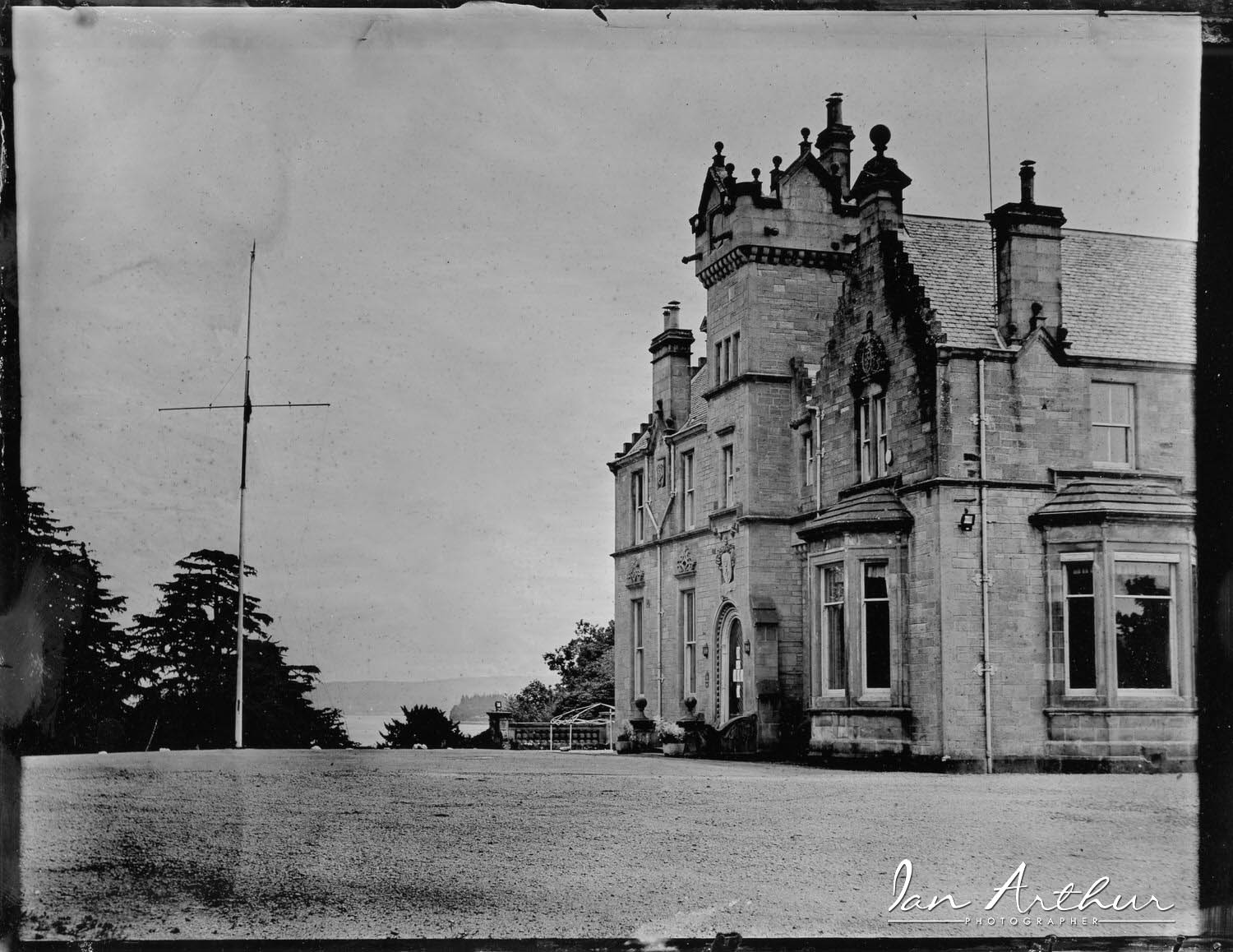
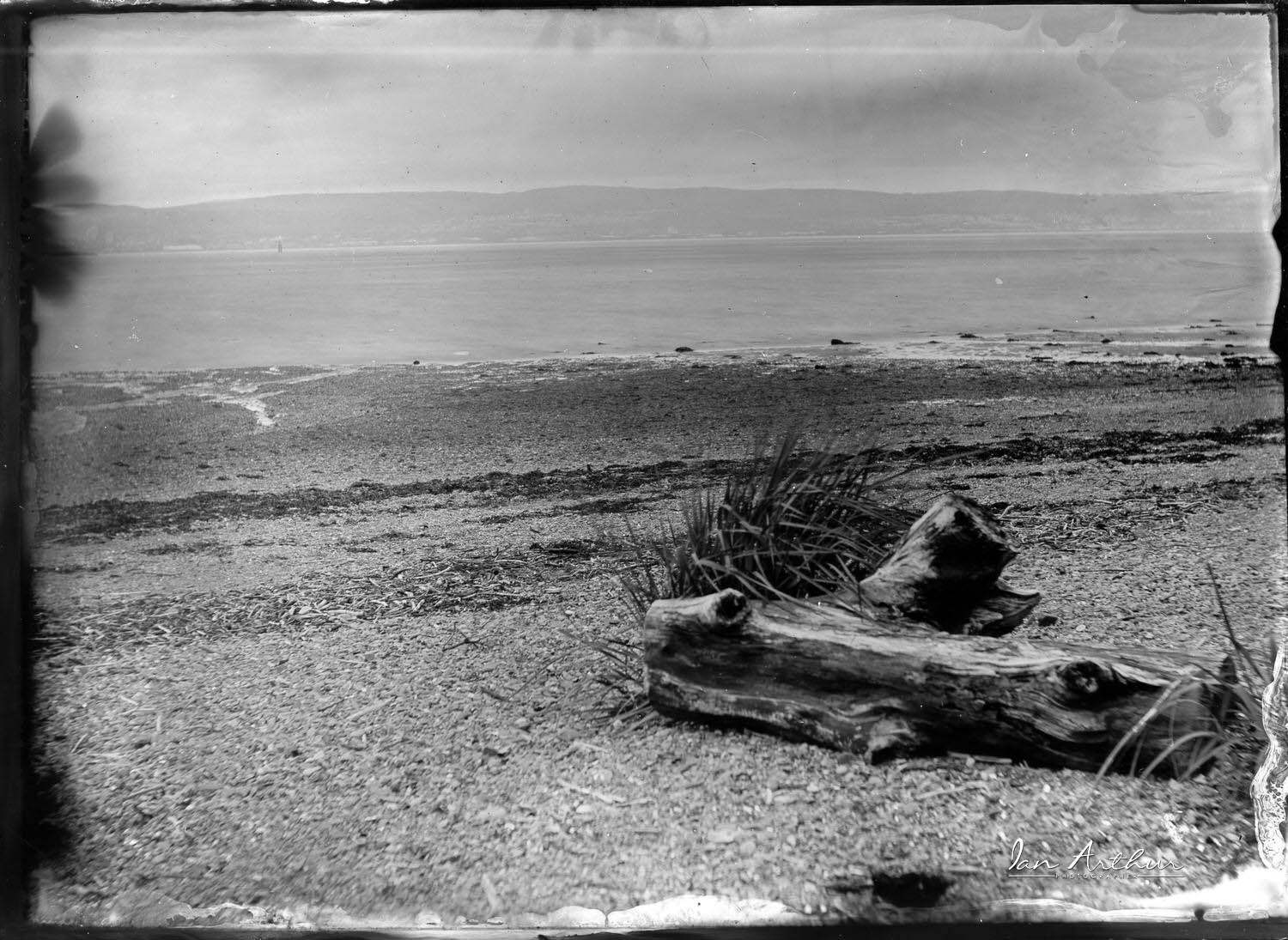
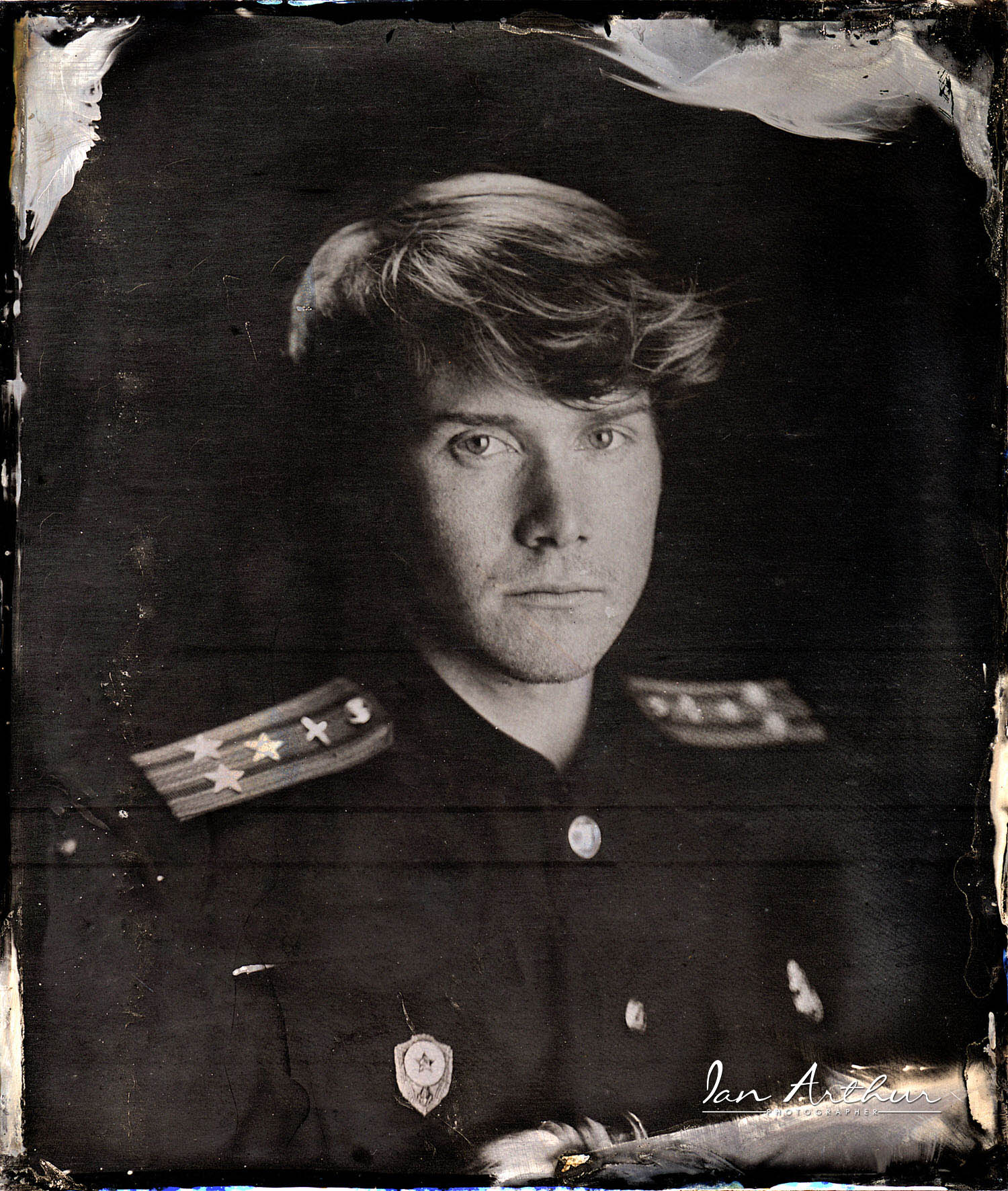
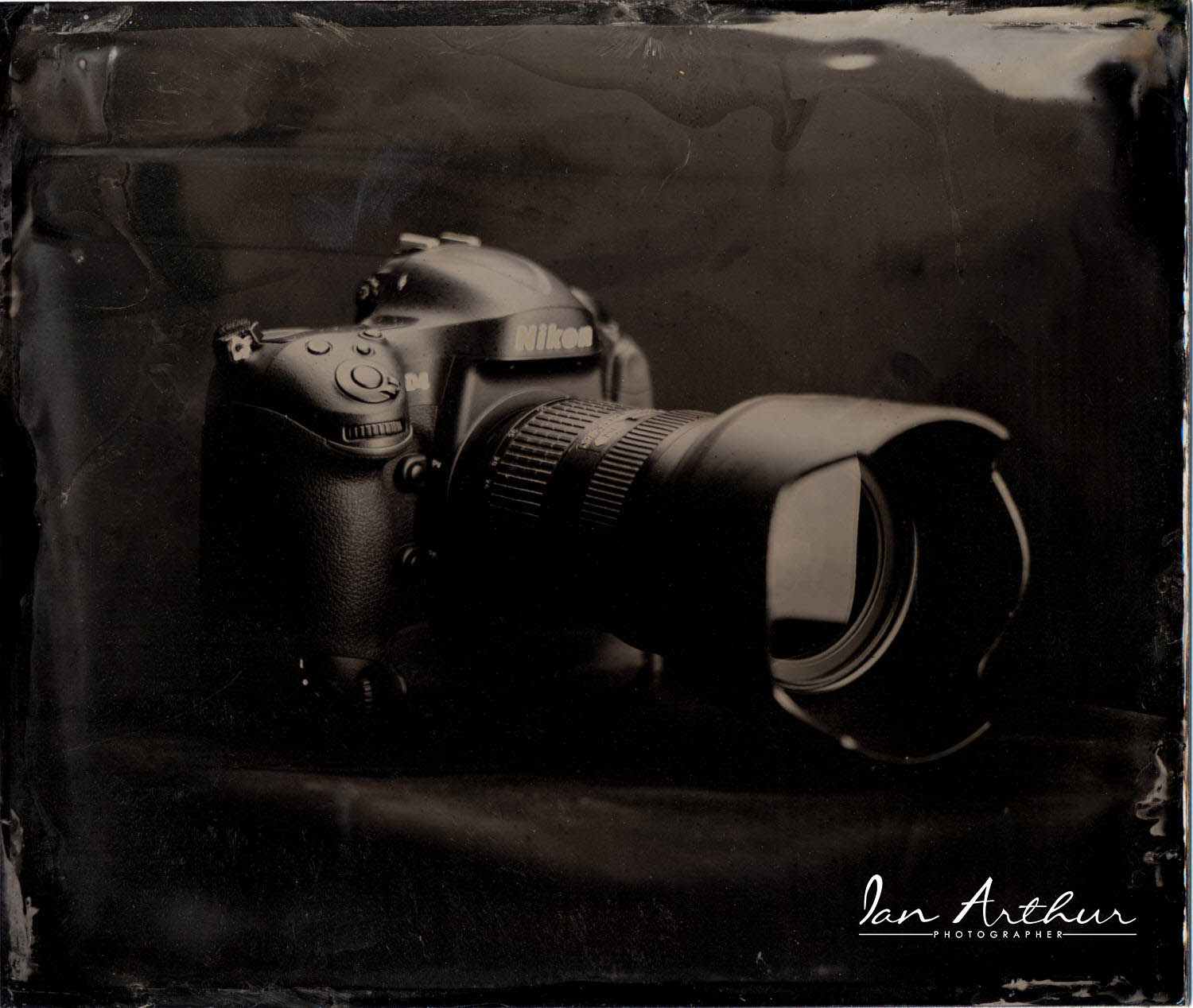
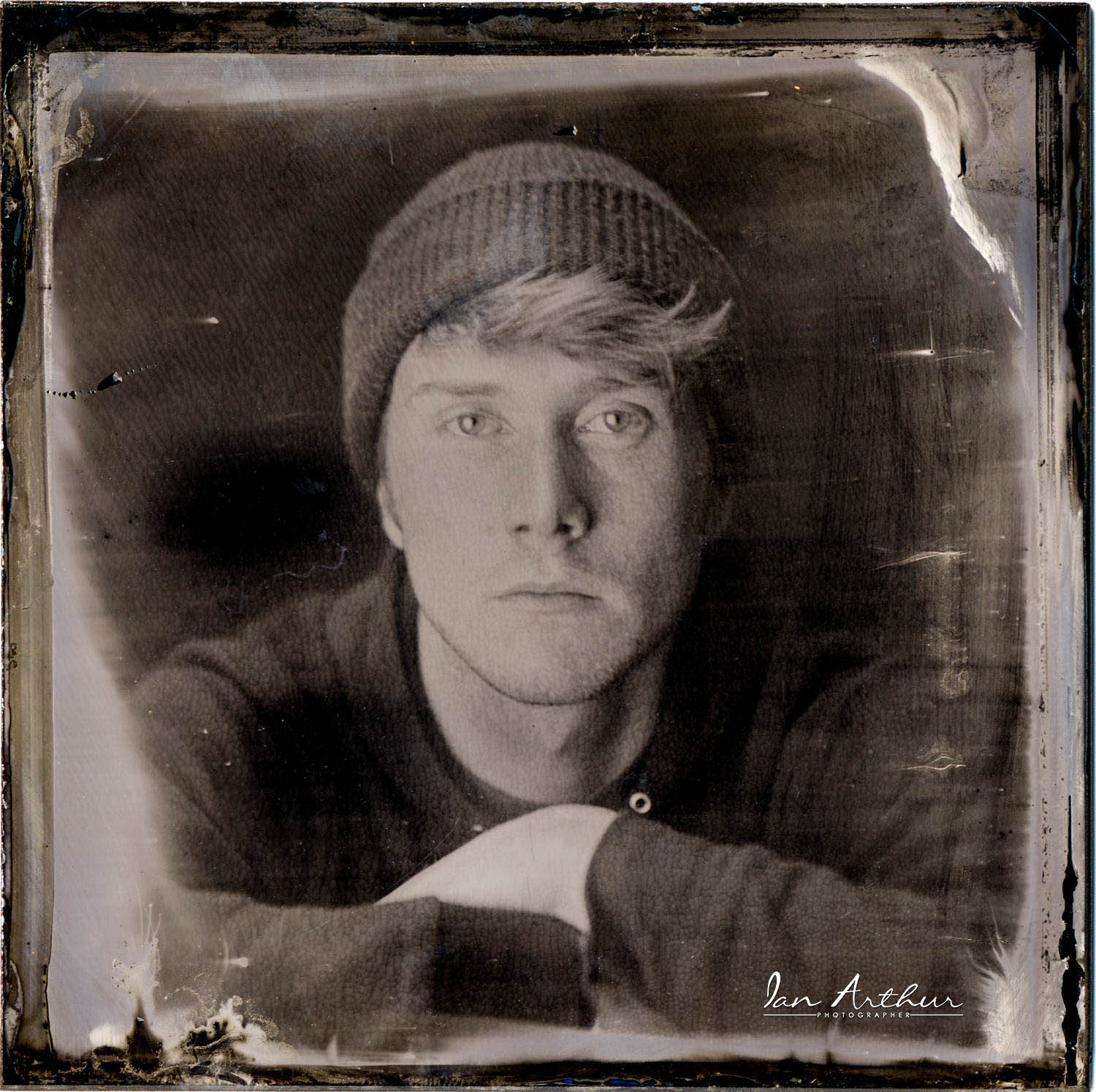
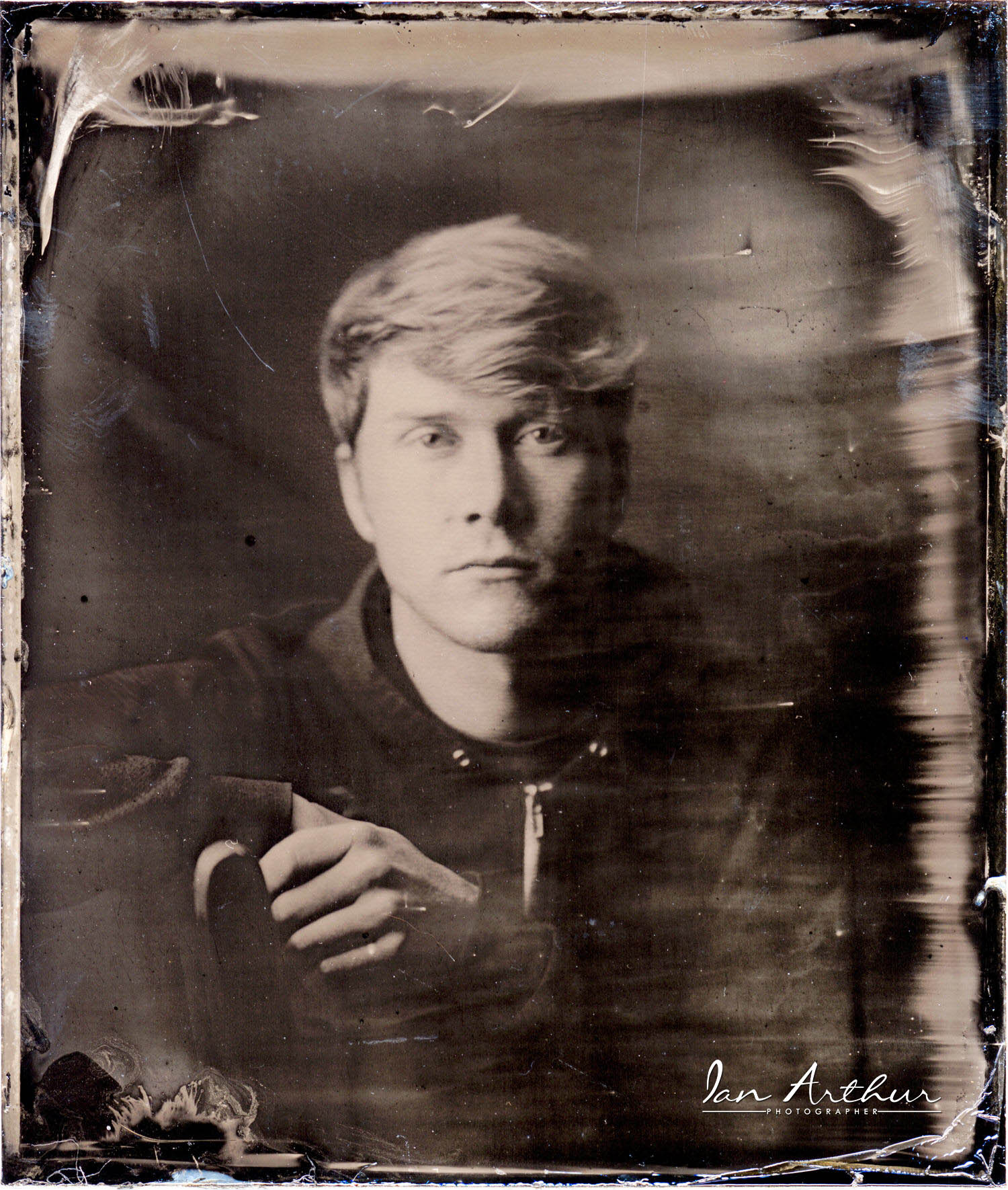
Even before I became a photographer I would look at old pictures and marvel at their content. The tones, the stiffness of the poses and the blemishes that would find its way into the picture during development. I love history and these old pictures were a way to look into the past. During my career as a photographer I went from film to digital, but although todays photography is quicker, cleaner and colourful, I still admire this old technology - the labour of love, the look and feel of these wet-plate pictures.
Wet Plate was something I always wanted to try and recreate, and I finally managed to do it. A few years ago I was taught the process, how to mix the chemicals, expose and how to develop a plate. Unfortunately, a combination of the UK distributor for wet-plate chemicals closing down as well as moving into an apartment and loosing my darkroom - meant I could not do it any more. I still have my cameras and lenses, so when I can find a supplier in the UK, maybe I'll be able to start again.
How it all started....
By the late 1790's people were looking for an alternative to traditional artists, and trying to produce light sensitive materials - without success. It was Henry Fox Talbot who refined the first repeatable process in 1835, which was based on making paper negatives. It took an hour to make an image, but in 1841 he invented the Calotype, which shortened exposure times. It was a repeatable process, and by sandwiching a sensitised piece of paper against a paper negative - a low quality print could be made.
Louis Daguerre refined his own process in 1839, which was based on using a sensitised brass plate and was widely used around the world until the late 1860's. Although a the Daguerrotype was a higher quality image than the Fox-Talbot Calotype process, it was a complicated process and the plates were fragile.
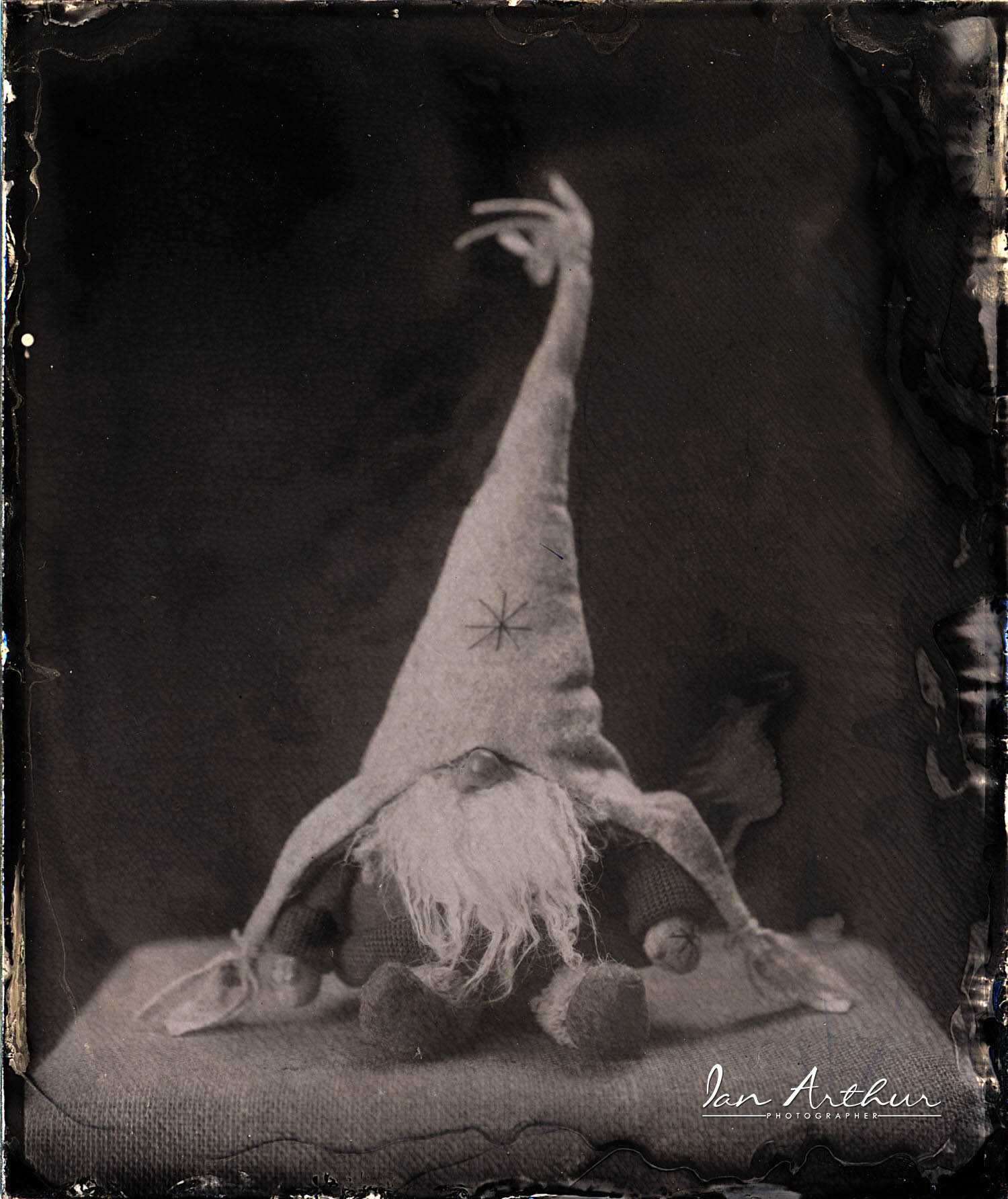

So, what is a wet-plate..?
Fredrick Scott Archer invented the wet-plate collodion process in 1851, which continued to be used globally until the 1930's. The process was simple, and used sensitised glass plates to make a either a negative or a positive. Because glass plates were fragile, the Tin-type (or Ambrotype) was invented in 1861. By modifying the collodion process, a black painted sheet of tin could be sensitised to make a single positive image. These were widely used in the American Civil War and by explorers.
In 1884 George Eastman of Rochester, NY, invented a process where the a light sensitive gel could be reliably coated onto paper or acetate film, and in 1888 Kodak film was invented - and photography was changed for ever.
PHOTOGRAPHY
"No matter how sophisticated the camera, the photographer is still the one that makes the picture."